Commercial Waste in Queens Park

Commercial waste in Queens Park needs a service that is organised, lawful and practical for everyday business premises. We collect and manage a wide range of non-hazardous waste streams from offices, shops, hospitality venues, workshops and shared commercial properties, helping businesses keep on top of routine clearances, bulky items and recurring rubbish. The emphasis is on straightforward removal, careful handling and sensible disposal routes that match the type of waste being produced.
Our work can include one-off collections as well as repeat waste removal arranged around trading hours, access needs and site rules. Where waste is mixed, we separate what can be reused, recycled or sent for the appropriate processing route. That means businesses can deal with unwanted items without turning the task into a long interruption to the day. If you need commercial waste support in Queens Park, start with the type of material, the access available and the volume to be removed, then request a quotation.
For a clearer idea of scope, the service is usually shaped around the premises and the contents to be cleared rather than a rigid one-size-fits-all job. A small office cupboard, a back-room tidy-up, an end-of-tenancy commercial clearance or a larger premises waste load all need different planning. Useful preparation is simple: tell us what is being removed, note anything awkward to move, and mention any building restrictions, parking issues or time limits that could affect collection.
Office and workplace waste removal
Office and workplace waste removal covers the kinds of items that build up in day-to-day operations: packaging, broken office furniture, filing that has been sorted for disposal, unwanted fixtures, general rubbish and surplus equipment. In many premises, the work is easier when it is arranged to suit desk occupancy, reception access and shared corridors, so collections can be carried out with minimal disruption to staff and visitors. The aim is to keep the disposal process controlled and tidy.
Businesses often need more than a simple bin emptying service. A practical commercial clearance may involve dismantling light fittings, taking away shelving, clearing storage rooms or removing redundant furniture before new layouts are introduced. If a site has items that need segregation, such as mixed recyclables, confidential paper or bulky furniture, we plan the collection to reflect those needs. For confidential material, see our confidential shredding service alongside the wider waste clearance options.
What an office collection can include
Typical workplace collections can involve desks, chairs, filing units, shelving, monitors, printers, paper waste, boxes, packaging and general business rubbish. Some sites also have storage cupboards, communal areas, plant rooms or reception spaces that accumulate unwanted contents over time. A clear list helps decide what is ready for removal and what should stay in use. Where furniture or equipment needs careful lifting, access planning matters as much as volume.
Bulky items, furniture and appliances

Many commercial waste jobs in Queens Park are driven by bulky items rather than loose rubbish. Broken chairs, worn reception seating, old cabinets, shelving, office tables and reception counters all take up space and require more than a standard bin service. We handle these larger items as part of a broader clearance or as a focused collection when the premises only need specific furniture removed. For broader domestic-style contents, there are also options such as furniture clearance and furniture disposal where suitable.
Appliances and equipment need particular care because they are not treated in the same way as general waste. Fridges, freezers and similar units can contain components that require proper processing, while office equipment may include cables, batteries or mixed materials that should not simply be thrown together. If your premises are replacing old equipment or clearing out a storeroom, we can remove these items as part of a planned collection. For white goods, the dedicated fridge and appliance removal page gives a more specific service route.
When bulky items are involved, it helps to think through the route out of the building before collection day. Narrow stairwells, shared entrances, lifts and loading areas can all affect how items are moved. If an item is too large to pass safely through a space, it may need partial dismantling or a different removal sequence. That is one reason why accurate descriptions are useful when requesting a quotation.
Clearances for commercial premises
Commercial premises often generate mixed waste that combines furniture, packaging, stored materials and general rubbish. A clearance can therefore be more effective than booking several separate removals, especially if a room, unit or floor needs to be made ready for new use. We can clear offices, storage areas, workspaces and back-of-house rooms where the contents have accumulated and need to be taken away in one organised visit.
Some businesses only need a partial clearance, such as a back office, archive area or equipment store, while others need a more complete emptying of redundant contents. We adapt the collection to the actual task rather than forcing every job into the same pattern. For premises with larger contents or mixed household-style items, relevant supporting pages include home clearance, house clearance and flat clearance. Those pages can help explain the wider clearance approach used for different types of space.
Where materials are mixed, sorting before removal can save time and reduce confusion. Keep reusable items separate from general rubbish where possible, and make note of anything that should not be lifted with the rest. If the clearance includes archive material, damaged stock, shelving, display items or soft furnishings, those categories may be handled in different ways depending on the collection and disposal route chosen. A good quotation begins with a clear picture of the contents and access.
Waste from business refurbishments and fit-outs

Refurbishment waste can be very different from routine office rubbish. It may include strip-out debris, old counters, damaged units, mixed packaging, broken fixtures, redundant storage systems and other materials that come off a site during a layout change or small fit-out. Commercial waste services are often used at this stage because the premises need a single, organised removal rather than multiple small collections. Careful planning keeps the work moving and reduces the likelihood of waste being left in the way.
Depending on the contents, a refurbishment collection may overlap with builder-type waste removal. If that is the case, it is sensible to identify whether the load is mainly business furniture and general contents or whether it also includes heavier strip-out material. Where a site needs heavier support, the dedicated builders waste clearance page is the more specific option. For business sites, our commercial service remains focused on the type of waste most commonly found in working premises.
Large refurbishment jobs benefit from a short sequence of decisions. First, establish what is staying in place and what is being removed. Next, decide whether any items need to be dismantled to get them out safely. Finally, check whether the work should happen before opening hours, after closing or during a quieter window. Those simple choices usually make the collection smoother without turning the process into a major disruption.
What we can remove from commercial sites
Commercial waste varies between premises, but some items come up repeatedly. These include office furniture, shelving, paperwork for disposal, packaging, fixtures, cupboards, display units, light mixed rubbish and other contents that no longer serve the business. The goal is to remove the load efficiently while keeping the process appropriate to the item type. Some materials are simply bulky; others require a more careful approach because of shape, weight or composition.
- Office chairs, desks and storage furniture
- Reception items, counters and display units
- Packaging, cardboard and mixed business rubbish
- Back-room contents and surplus equipment
- Selected appliance and furniture clearances where suitable
There are limits to what can be accepted in a routine commercial removal, and those limits depend on the material and how it should be handled. If a load includes items that need specialised treatment, the quotation stage is the right time to mention them. Hazardous or controlled materials require a different route, and the hazardous waste disposal page covers that area separately. This keeps each job aligned with the correct disposal method from the outset.
About Queens Park
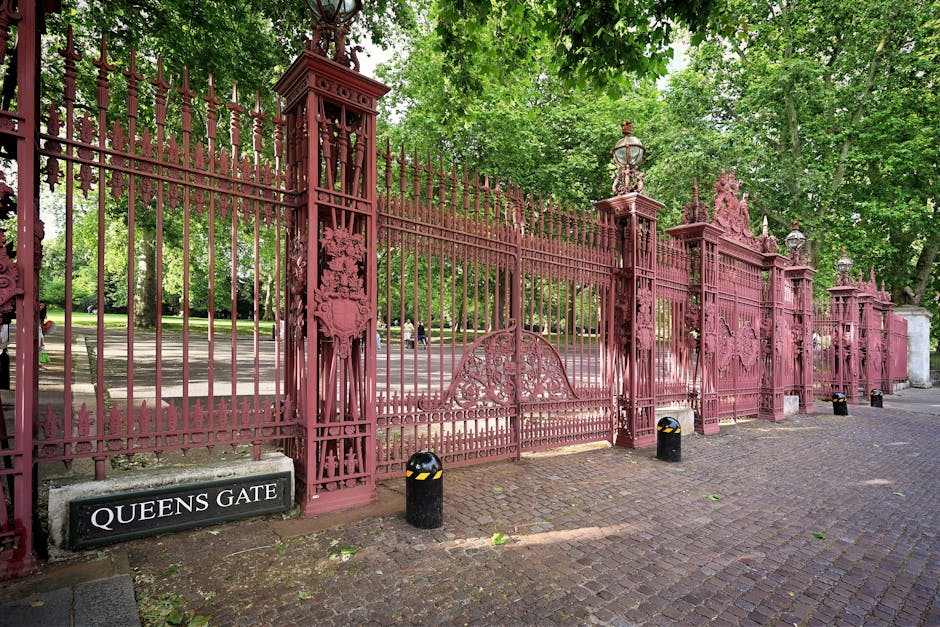
Queens Park is a North West London district known both for the park that gives the area its name and for the surrounding residential streets that spread across parts of Brent and Westminster. The park itself was opened to the public in 1887 and remains a defining feature of the locality, with open lawns, mature trees, sports facilities and a well-used children’s area. The neighbourhood has long been shaped by its position close to other established districts such as Kilburn, Kensal Green, Maida Vale and Notting Hill, yet it retains a character of its own through the mix of housing, local shopping parades and transport connections. The station on the Bakerloo line and London Overground links gives the area a practical commuter role, while the streets around Salusbury Road and the park edge support everyday local life. Architectural variety is another feature: Victorian and Edwardian terraces sit alongside later infill and converted buildings, and the local streetscape reflects several phases of London growth rather than a single planned style. Queens Park also has a community identity that is reinforced by independent shops, cafés, schooling and the use of the park for sport, walking and seasonal events. For many visitors, the most recognisable element is the broad green space itself; for residents, it is the combination of transport, neighbourhood services and a walkable local centre. The area is therefore best understood as a compact urban district with a strong parkland core and an established residential setting that connects several parts of inner London.
Collections for shops, hospitality and shared buildings
Not every commercial waste job comes from a traditional office. Shops, cafés, small hospitality venues, studios and shared buildings all create their own mix of unwanted items, from packaging and worn fittings to stock-room clutter and broken furniture. These premises often need a collection that works around business hours and shared access, so the process remains orderly for tenants, staff and customers. A sensible plan helps avoid congestion at entrances and minimises handling inside active spaces.
Shared buildings can present a few extra practical questions. Items may need moving from upper floors, through communal hallways or out of managed entrances, and that means the collection needs to be co-ordinated rather than improvised. If the waste is mostly furniture and other contents from a managed residential block, garage clearance or loft clearance may also be relevant for certain stored items, while the commercial service remains the most suitable choice for business-use spaces. The important thing is that the route matches the nature of the load.
Choosing the right collection for the site
A practical quotation depends on more than simple volume. The type of waste, the number of items, whether they can be lifted by one or two people, and the distance from the collection point to the vehicle all affect how the job is planned. Sites with parking controls, loading restrictions or time-limited access should mention that information early. The clearer the initial description, the easier it is to organise the right collection without unnecessary delays.
Recycling, sorting and disposal routes

Commercial waste should not be viewed as a single mixed pile when different materials may need different outcomes. Cardboard, metals, furniture, electrical items and general rubbish often follow separate processing routes, and keeping them distinguishable can improve the efficiency of the collection. Where practical, sorting before removal helps ensure that reusable or recyclable material is not buried inside a mixed load. That approach also makes the quotation more accurate because the work involved is clearer.
We approach disposal with the aim of using the most suitable route available for the item type. That may mean prioritising reuse where it is appropriate, recycling where the material allows it and handling residual waste responsibly where no better option exists. For businesses that want to understand the broader approach, the recycling and sustainability page sets out the general principles used alongside collections. It is a useful companion to the service itself when the contents include mixed materials.
Preparation does not need to be complicated. A brief description, a count of larger items and an outline of access conditions is often enough to start the quote process. If you already know which items are staying and which are going, state that clearly. If the collection includes awkward lifting, locked rooms or separate floors, mention those details too. Good information at the outset saves time for everyone.
Pricing factors and arranging a quotation
Commercial waste quotations are usually shaped by practical factors rather than a fixed headline rate. The main influences are the amount of waste, the type of material, access to the load, whether items need dismantling, and how long the collection is likely to take on site. A mixed business clearance may also include more handling than a straightforward bulky-item removal. These are the points that matter when planning a realistic price for the work.
If you are comparing options, it helps to provide the same kind of information each time so the responses are easier to compare. Some customers only need a one-off collection, while others want a repeat arrangement for ongoing waste removal. In either case, clarity about the scope is more useful than broad descriptions. For pricing and quotation-related information, the pricing and quotes page is the best place to review the service structure before requesting a figure.
When you are ready, keep the enquiry simple: what is being removed, where it is located, and what access is available. If the job involves different categories of waste, list them separately. That makes it easier to set expectations and choose the correct collection method. If you need to move ahead, request a quotation and tell us about the premises, the items and the timing that suits you.
Commercial waste support for recurring and one-off jobs

Some businesses need help only when a room becomes full or a move-out is due, while others generate waste often enough to need a repeat arrangement. Our commercial waste service can be used for either situation, provided the material and access fit the collection. A recurring schedule is useful when stock rooms, offices or shared work areas regularly produce rubbish that should not be left building up. A one-off visit is better when the task is a single clearance or a sudden burst of unwanted contents.
Different types of premises may also need slightly different handling over time. For example, a business might begin with furniture removal, then later need general waste clearance, and eventually require a larger site tidy before reconfiguration. Keeping the service flexible makes it easier to respond to the real condition of the premises rather than forcing a fresh plan from scratch each time. If your site has waste that relates to vehicle contents or household-style items stored for business use, relevant options such as waste removal can sit alongside the commercial work where appropriate.
To finish, the quickest route is to give a plain description of the job and ask for a quotation. We will use the information about waste type, quantity and access to shape the collection properly. If you are planning a clearance in Queens Park, make the first step a straightforward enquiry and request a quotation today.